
Speaker Stands
Speaker stands improve placement, stability and everyday usability—often delivering a surprisingly big upgrade in imaging and bass control.
Use stands to optimize Bookshelf Speakers, to support sources and electronics, and to keep the system tidy with sensible Audio Cables.
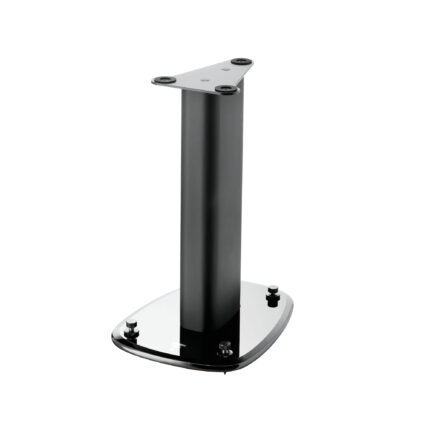
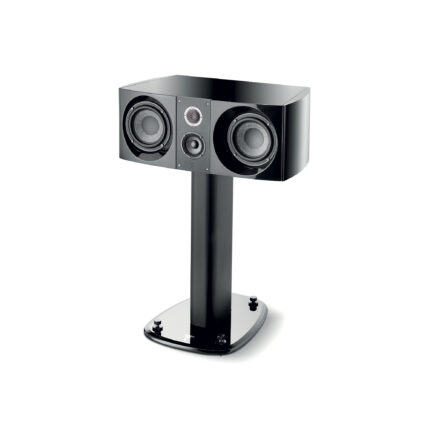
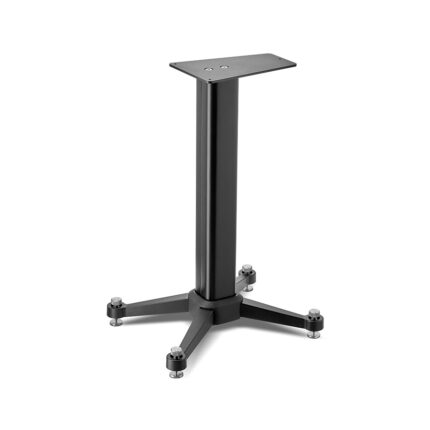
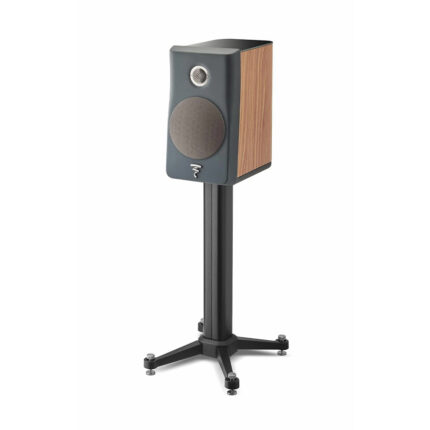
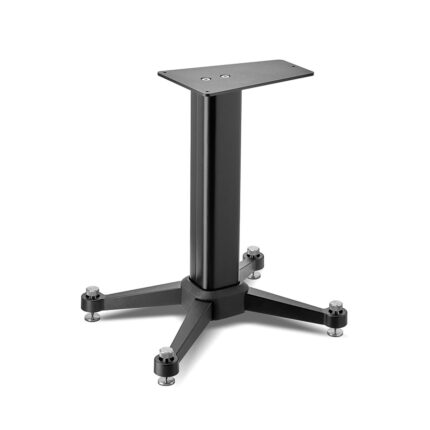
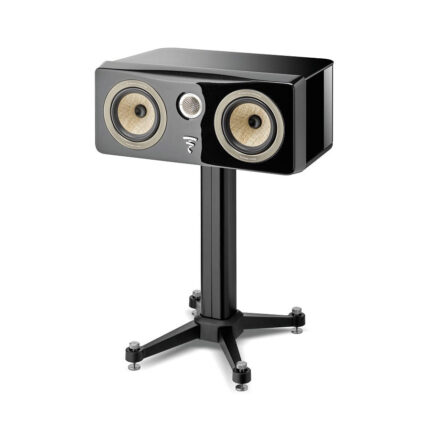
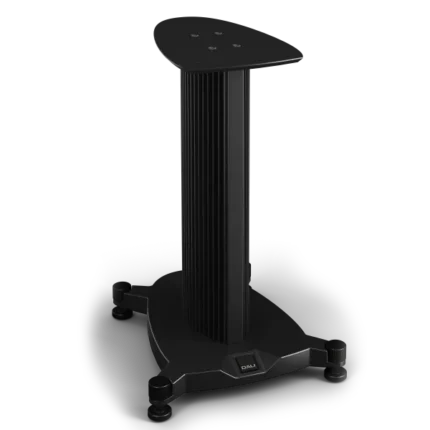
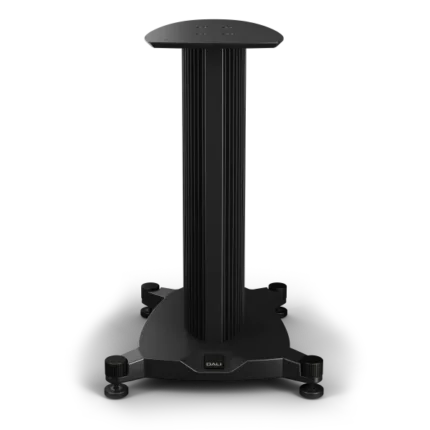
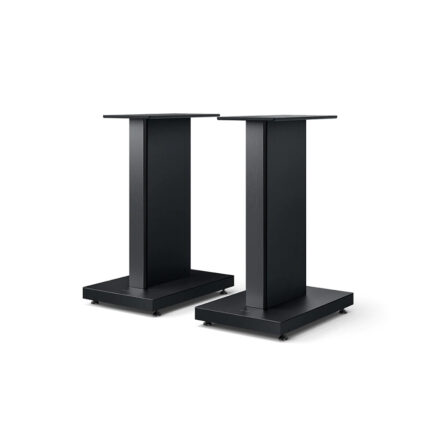
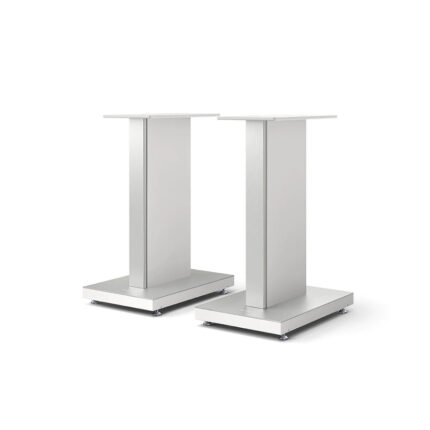
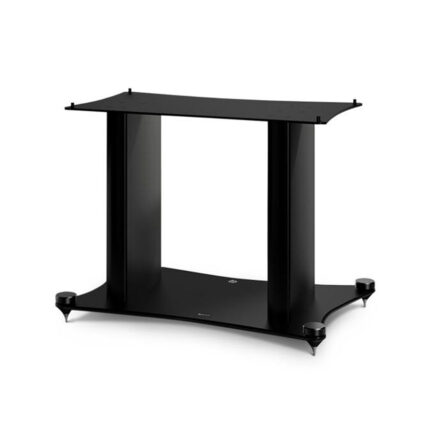
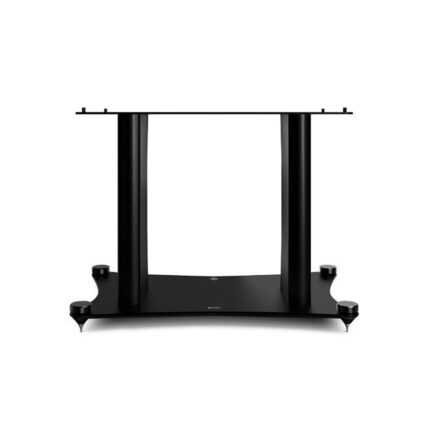
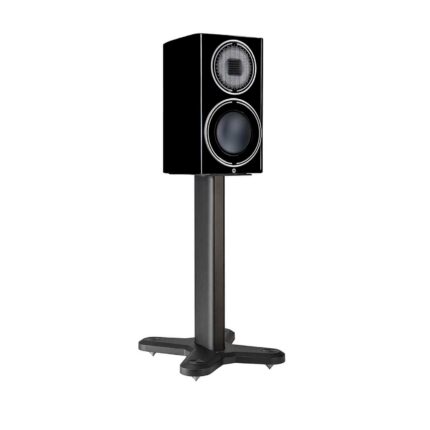
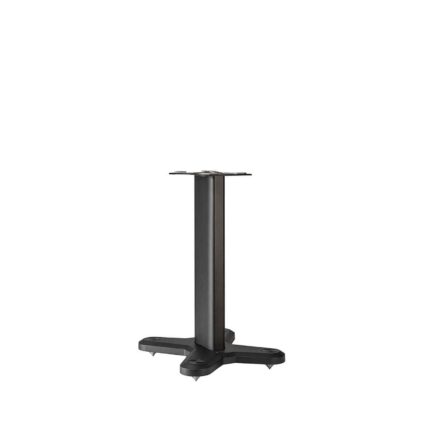
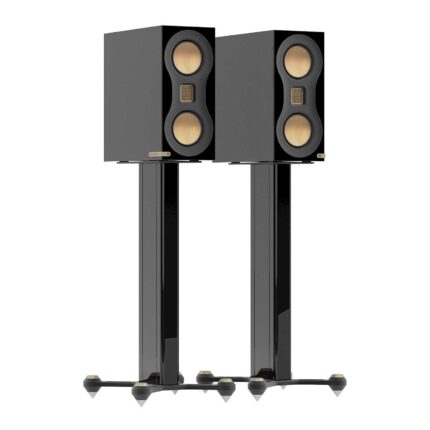
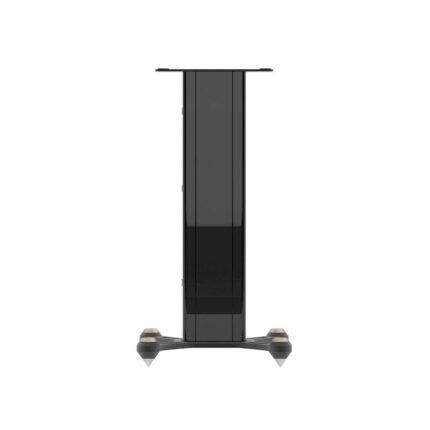

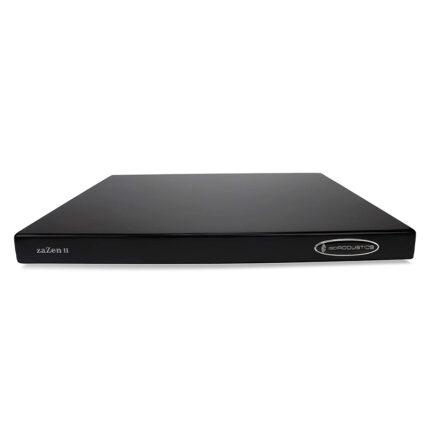

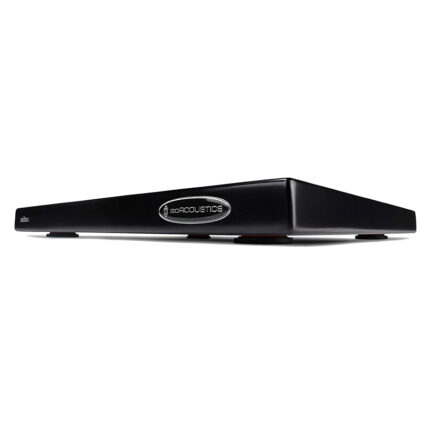
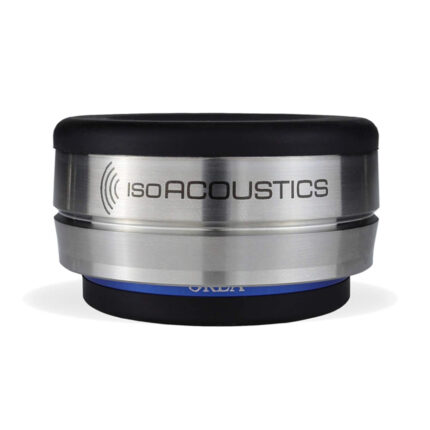
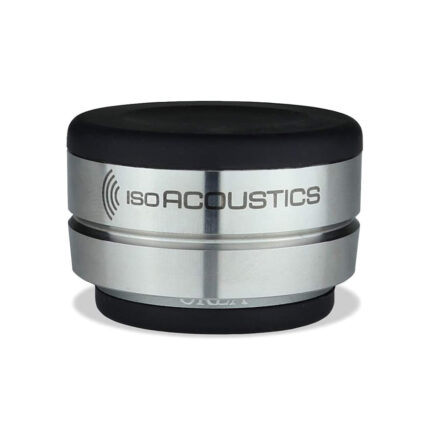
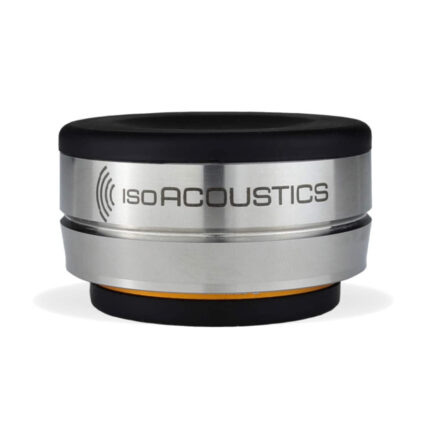
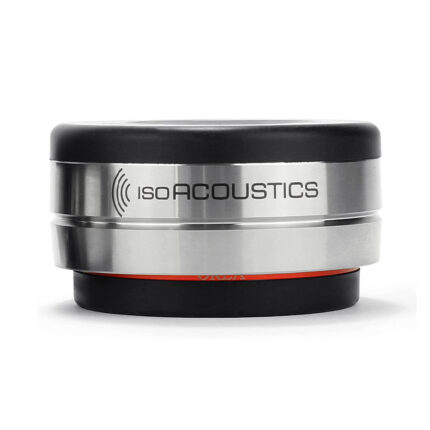
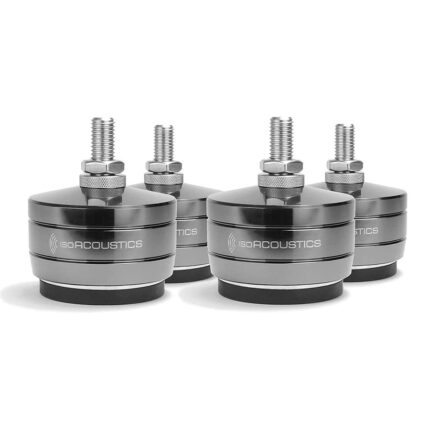
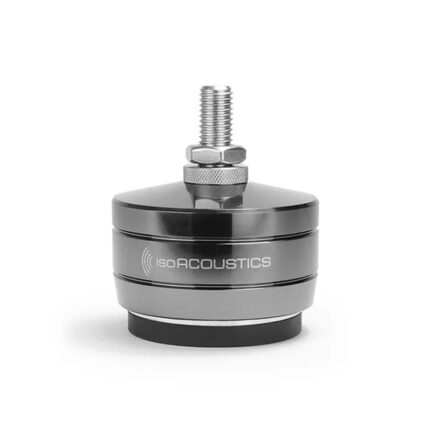
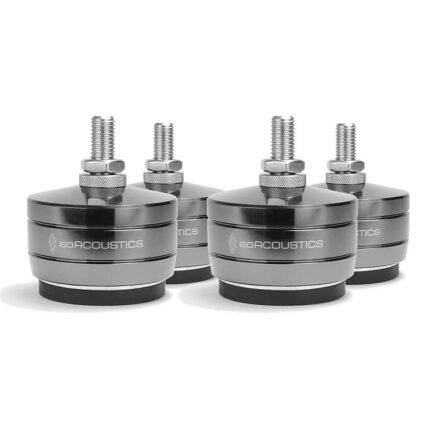
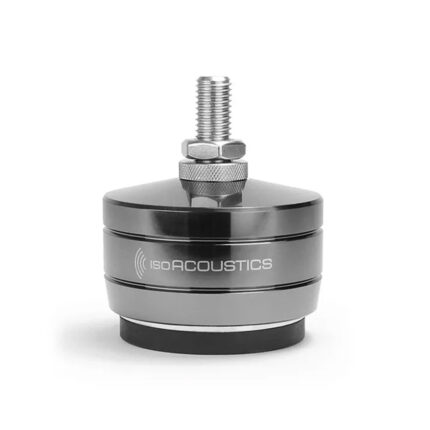
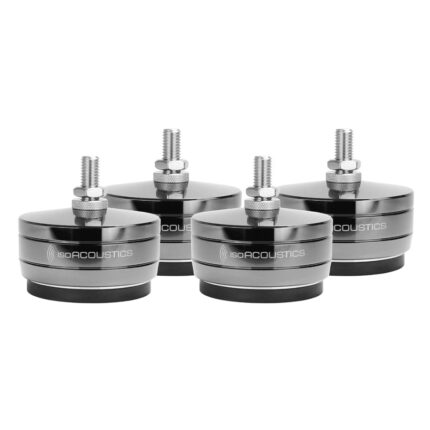
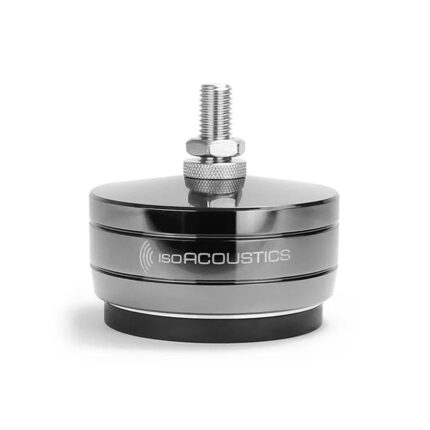
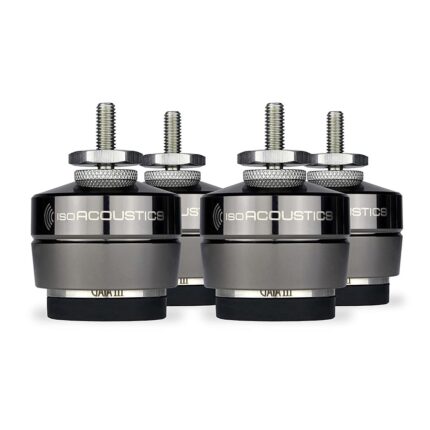
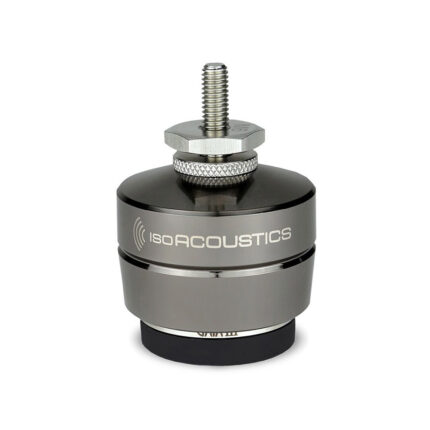
How to Choose Speaker Stands and Hi-Fi Stands
Great stands do one thing perfectly: they keep speakers and equipment stable in the right position. With correct placement, bookshelf speakers can sound cleaner, more focused and more “full size”.
The ideal stand height brings tweeters close to ear level in your listening position. Stability matters: a rigid stand can improve clarity, imaging and bass definition by reducing micro-vibrations.
Proper stands help you place speakers away from walls and achieve better symmetry. This often improves soundstage depth and makes bass tighter and more controlled—especially in smaller rooms.
Stands and supports can also improve system organisation: safer placement for sources and cleaner routing. Combine good mechanical stability with sensible power distribution via Power Conditioners / Controllers and tidy Cables for a calmer setup.
Vinyl setups are especially sensitive to vibration. If you use a Turntable, stable support and correct leveling can dramatically improve clarity and tracking.
Pay attention to stand construction, floor interface and top-plate size. A secure, well-coupled fit helps the speaker or component stay composed, even at realistic listening levels.
In Tallinn apartments with wooden floors, stability and isolation can matter a lot. A solid stand and careful placement often deliver a bigger real-world improvement than swapping electronics without changing setup.