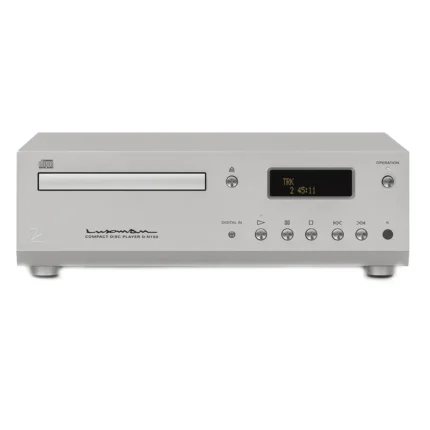
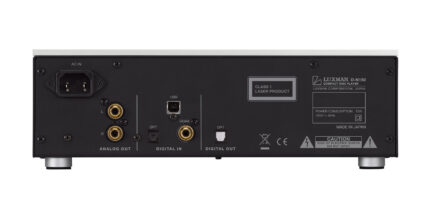
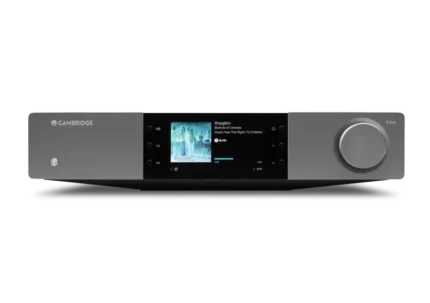
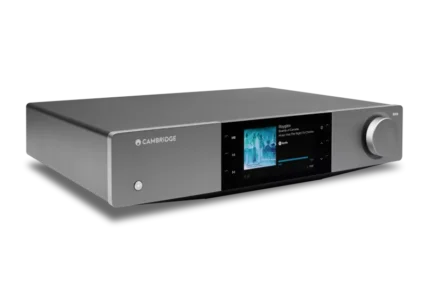
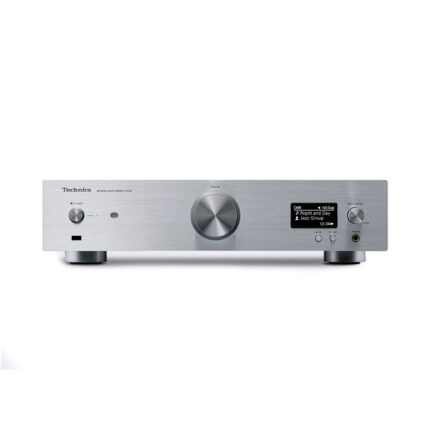
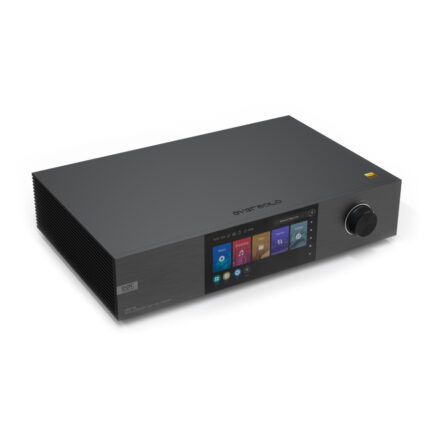
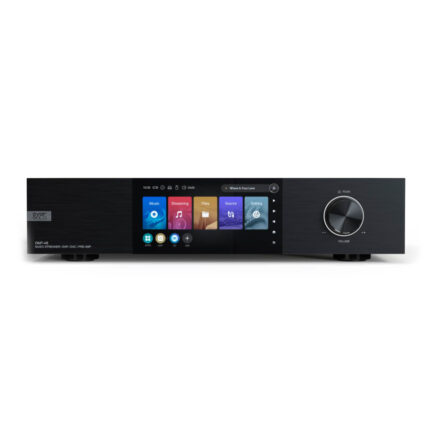
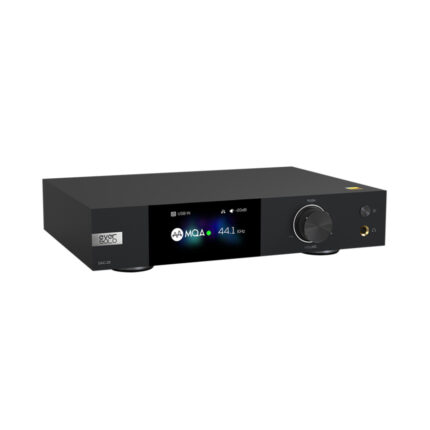
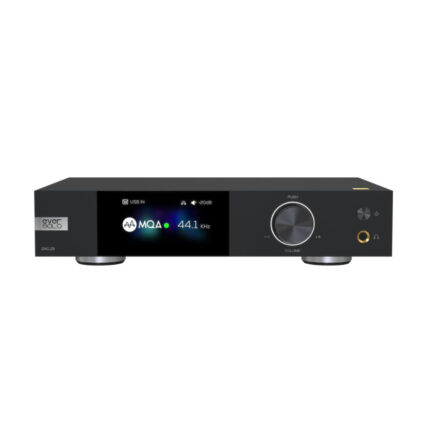
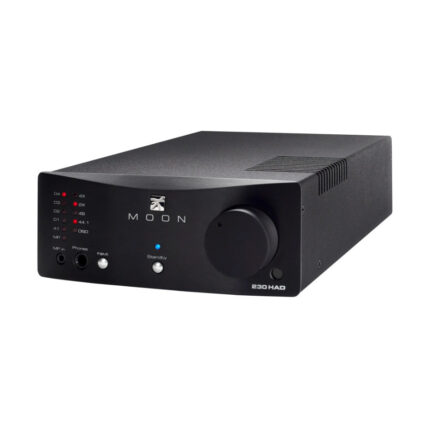
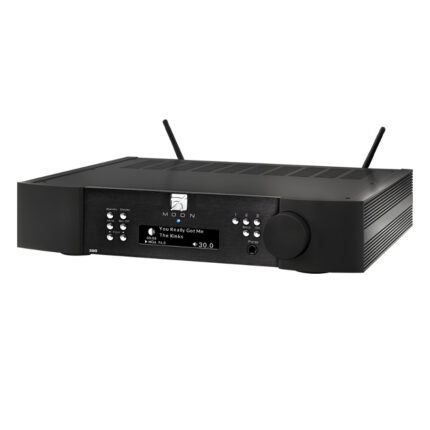
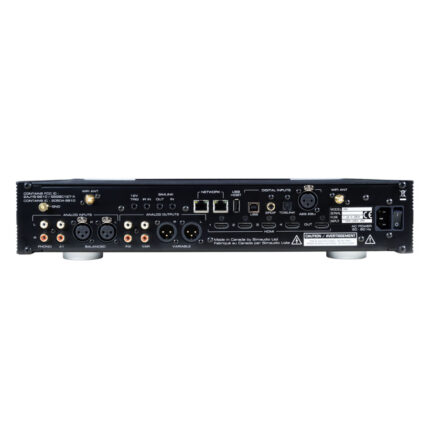
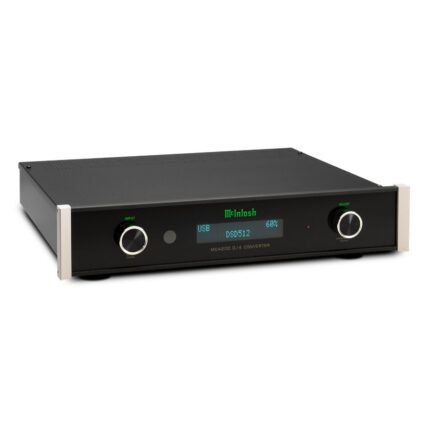
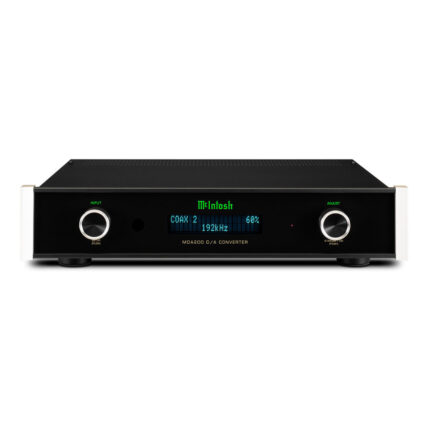
DACs (digital-to-analog converters) shape how natural and effortless your digital music feels—affecting tone, imaging and low-level detail. Pair a DAC with a Network Player / Streamer or with CD Players & Transports, then complete the system with Integrated Amplifiers and matching Stereo Speakers.
New
Select options This product has multiple variants. The options may be chosen on the product page

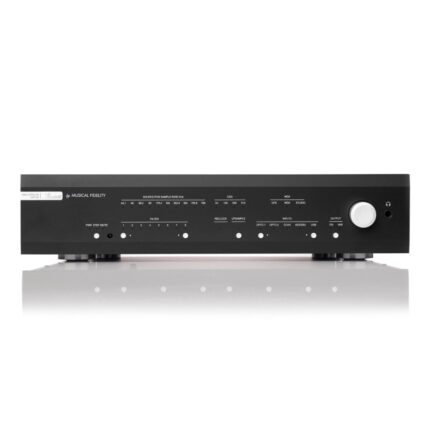
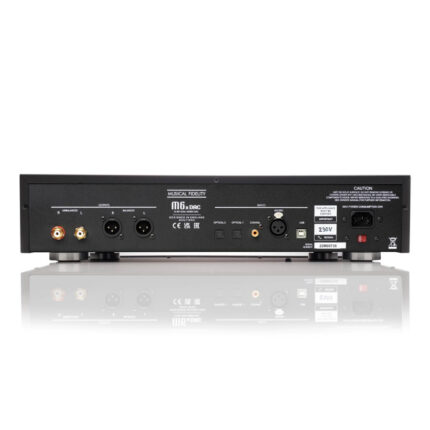
Musical Fidelity M6x DAC Digital to Analogue Converter

2295,00 
New
Select options This product has multiple variants. The options may be chosen on the product page

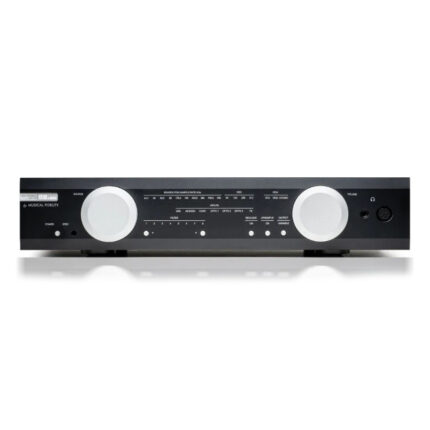
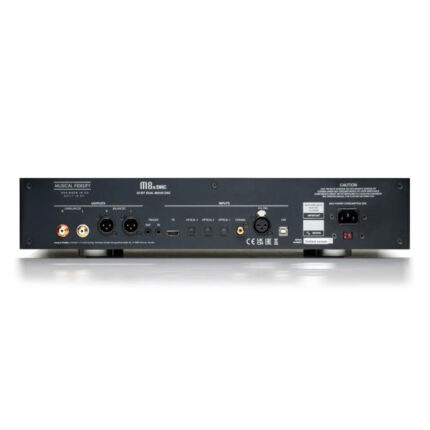
Musical Fidelity M8x DAC Digital to Analogue Converter

3999,00 
Select options This product has multiple variants. The options may be chosen on the product page

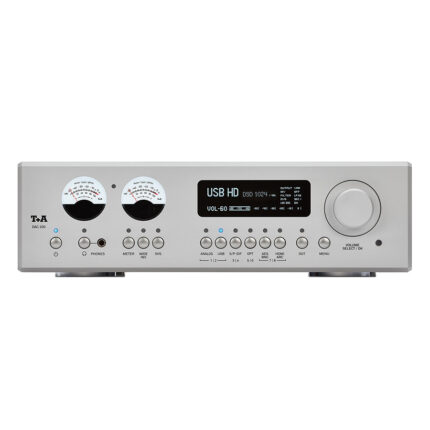
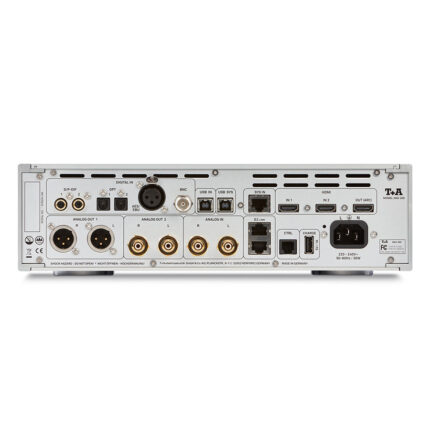
T+A DAC 200 Digital to Analogue Converter

6190,00 
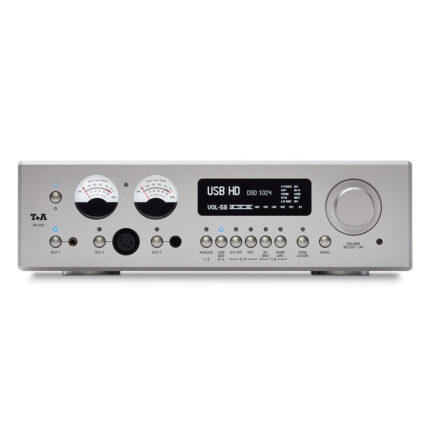
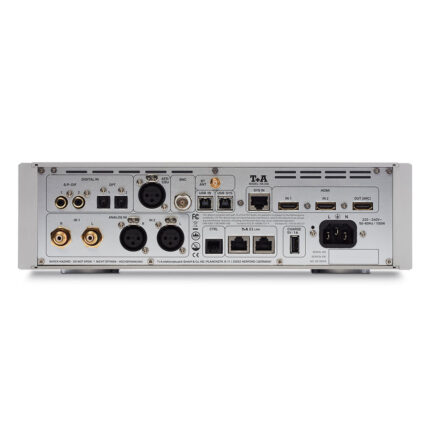
Select options This product has multiple variants. The options may be chosen on the product page

T+A HA 200 Headphone Amplifier

6900,00 
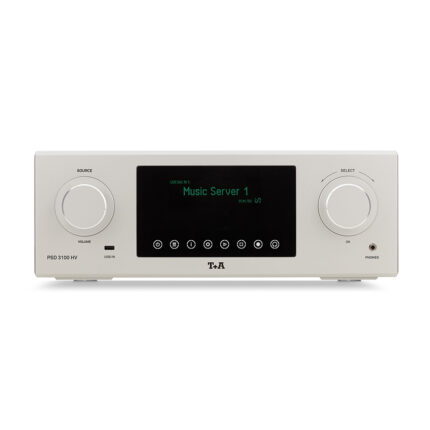
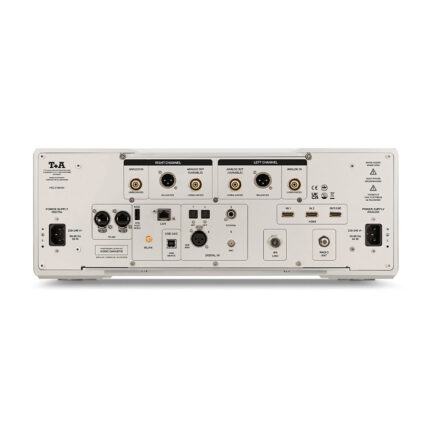
Select options This product has multiple variants. The options may be chosen on the product page

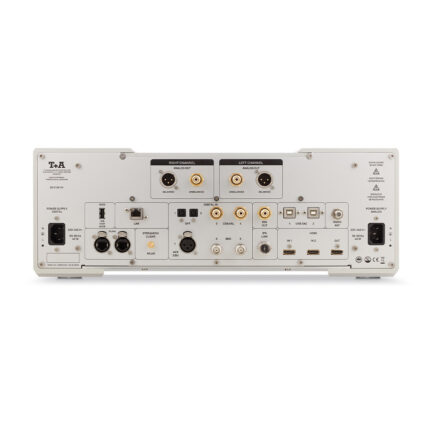
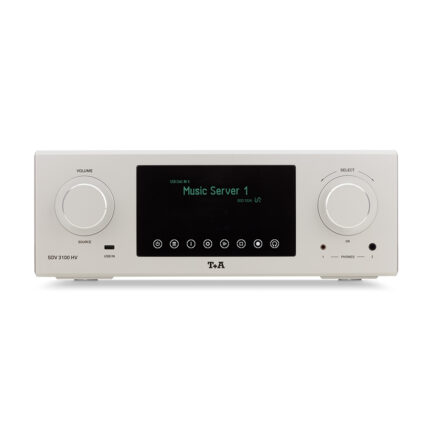
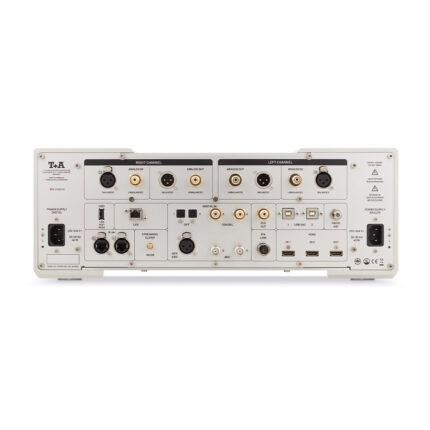
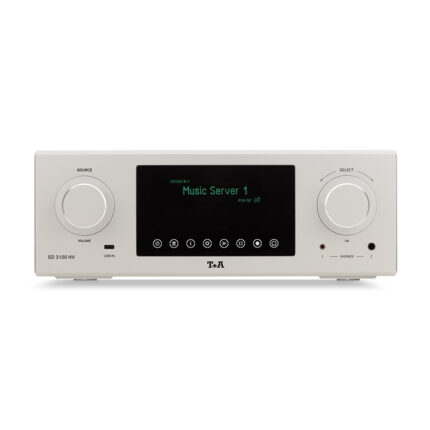
T+A SD 3100 HV Reference Streaming DAC

27000,00 

How to Choose DACs

The best DACs make digital sound feel natural and effortless: a quieter background, cleaner transients and more stable imaging. The right choice depends on your sources, connectivity needs and how revealing the rest of your system is.

Standalone DAC vs DAC inside a streamer

Many Network Players / Streamers include internal conversion. A standalone DAC often adds upgrade flexibility and can be matched more precisely to your system’s character.

Inputs that matter

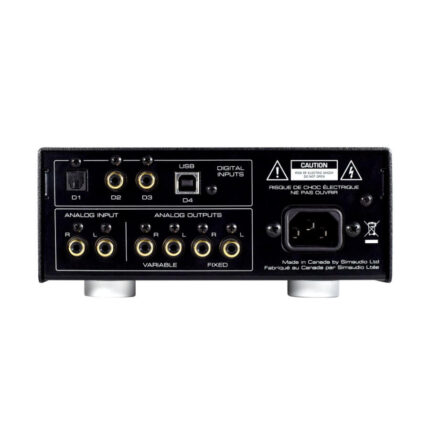
USB is common for computers and music servers. Coaxial and optical are useful for disc transports and TVs. If you plan to use multiple digital sources, choose a DAC with enough inputs and convenient switching.

Conversion quality beyond specs

Look for a refined, low-noise presentation with stable imaging and natural tone. In many systems, the output stage and power design are as audible as the converter chip itself.

System matching

A DAC should fit your amplification and speakers. For a clean, musical two-channel setup, combine DACs with Integrated Amplifiers and Stereo Speakers.
Practical note for Tallinn homes

In Tallinn apartments, low noise and controlled volume behaviour matter. A well-chosen DAC can keep the system clean and resolved even at moderate listening levels.

Upgrade strategy

If you plan to evolve your digital front end over time, a strong standalone DAC can anchor the system while sources change around it.


Frequently Asked Questions

Do DACs really make a difference?
Absolutely. In a revealing system, a better DAC can improve tonal naturalness, imaging stability and low-level detail by lowering noise and preserving timing.

Should I add a DAC if my streamer already has one?
A dedicated DAC can be a meaningful step when you want a more refined presentation or a clearer upgrade path. It also lets you tailor system voicing more precisely than many all-in-one solutions.

Which inputs matter most in a high-end setup?
USB is common for computers and music servers, while coaxial/optical are practical for transports and TVs. Choose a DAC that matches your real sources and offers enough inputs for future expansion.

Can I audition DAC options and pairings before choosing?
Selected DACs and matching sources are available to audition in our Tallinn showroom, so you can compare tone, dynamics and imaging before deciding.

What matters more: the DAC chip or the analog output stage?
In premium designs, the analog stage, power supply and noise control are often the defining factors. The same converter chip can sound very different depending on the surrounding engineering.

What is the best connection from a source to a DAC?
USB can be excellent for computers and servers, coaxial S/PDIF is a strong option for transports, and optical is useful for electrical isolation. In practice, the winning choice is the one that keeps noise lowest and timing most stable.