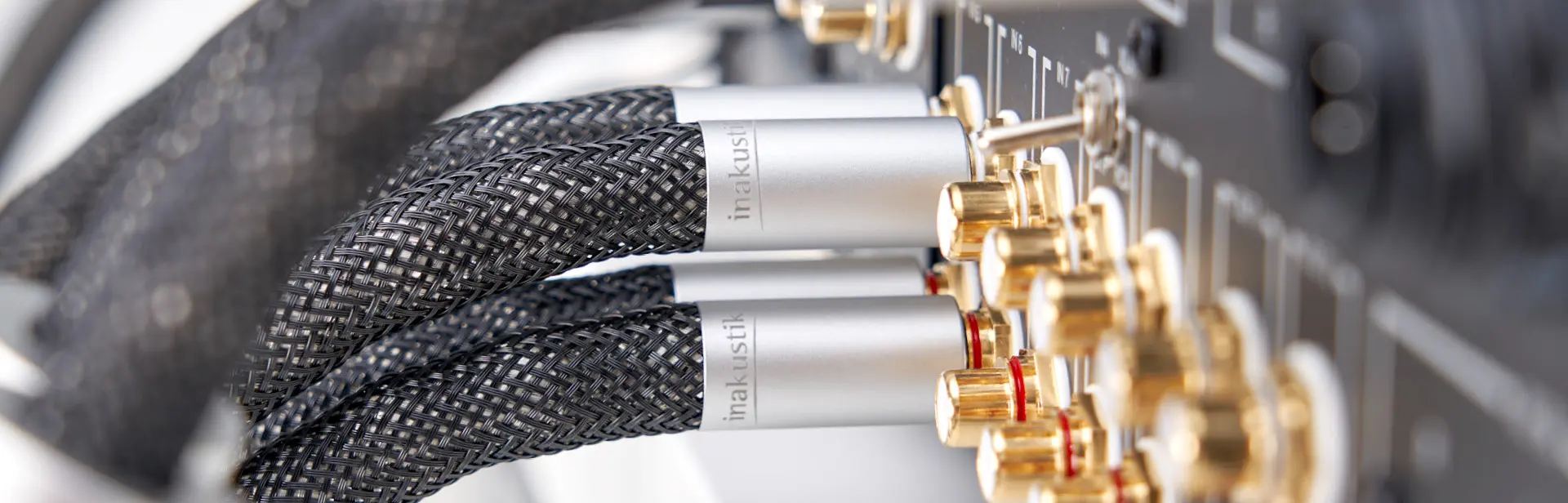
Digital Cables
Digital cables connect digital audio and video components such as streamers, CD transports, DACs, AV receivers, TVs and media players. They are used for stable signal transfer through connections such as coaxial S/PDIF, optical, AES/EBU, USB audio and HDMI.
Choose the right digital cable according to your component outputs, input type and system layout. For network-based audio systems, also explore our Network Cables, and for complete hi-fi integration combine digital connections with suitable Interconnect Cables.
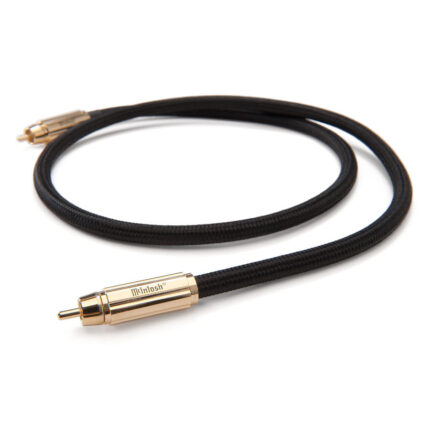
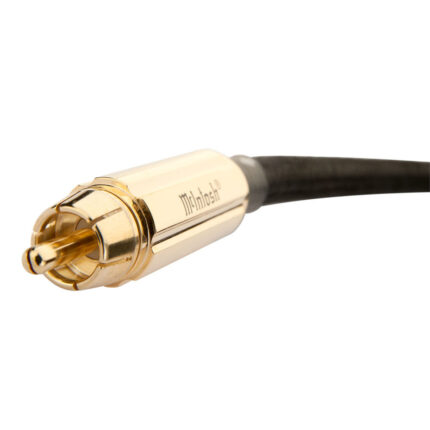
McIntosh CDA Coaxial Digital Cable
Price range: 549,00 € through 659,00 €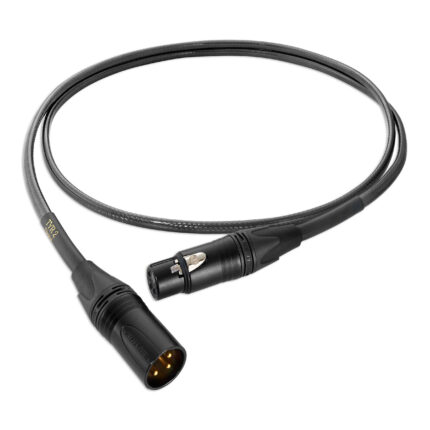
Nordost Tyr 2 AES/EBU Digital Cable
Price range: 2055,00 € through 4615,00 €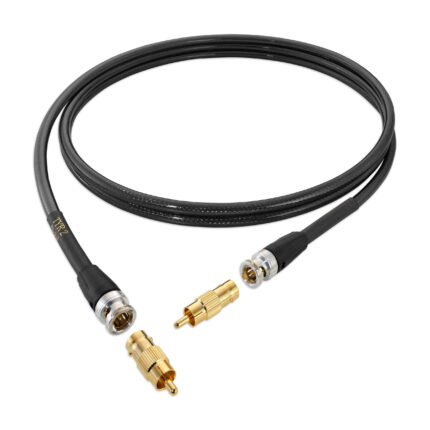
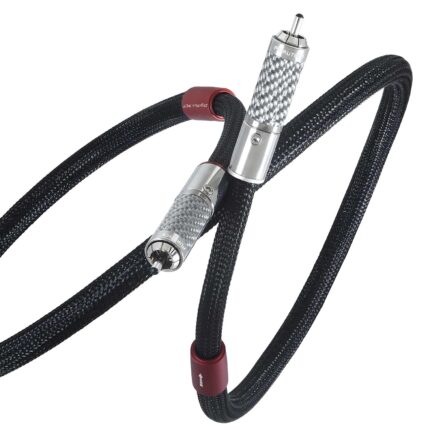
Nordost Tyr 2 SPDIF Digital Coaxial Cable
Price range: 2055,00 € through 4615,00 €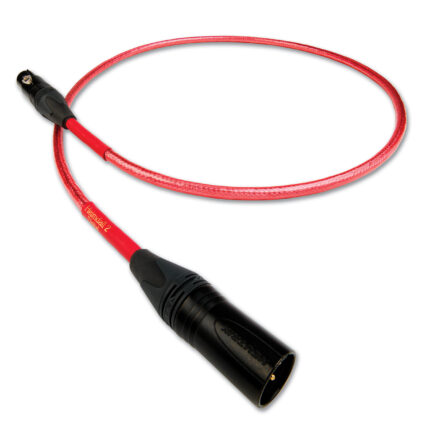
Nordost Heimdall 2 AES/EBU Digital Cable
Price range: 1055,00 € through 2315,00 €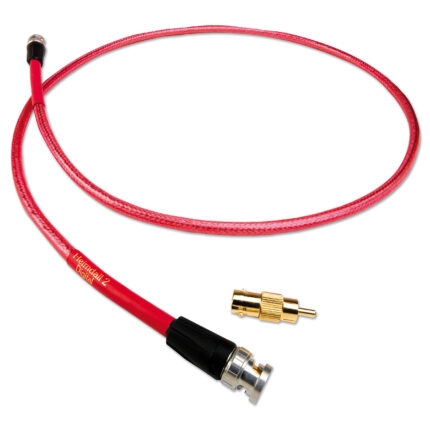
Nordost Heimdall 2 SPDIF Digital Coaxial Cable
Price range: 1055,00 € through 2315,00 €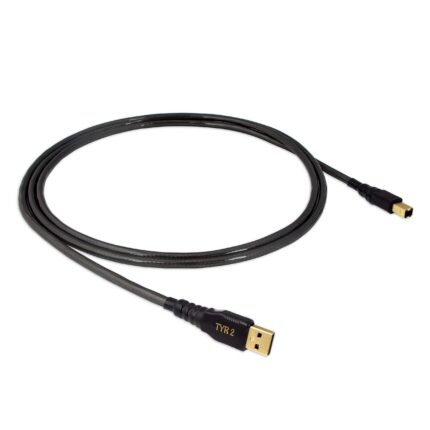
Nordost Tyr 2 USB 2.0 Cable
Price range: 1655,00 € through 3915,00 €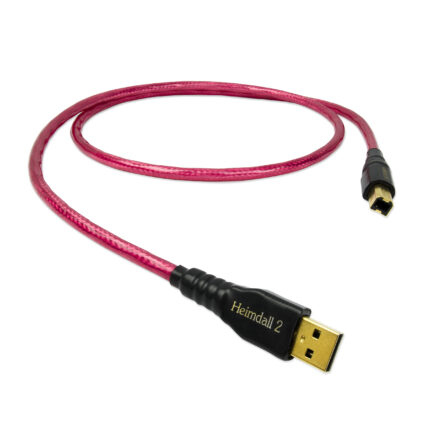
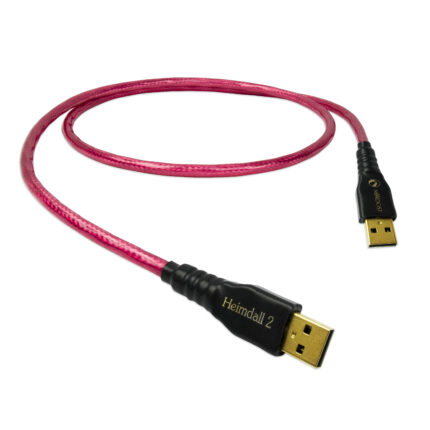
Nordost Heimdall 2 USB 2.0 Cable
Price range: 645,00 € through 1415,00 €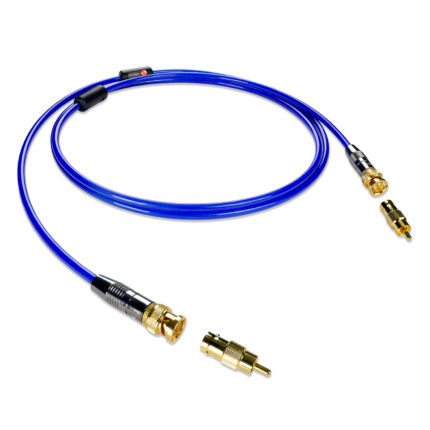
Nordost Blue Heaven 3 SPDIF Digital Coaxial Cable
Price range: 270,00 € through 470,00 €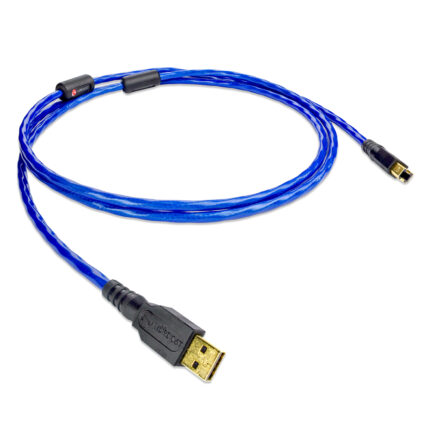
Nordost Blue Heaven 3 USB 2.0 Cable
Price range: 290,00 € through 1000,00 €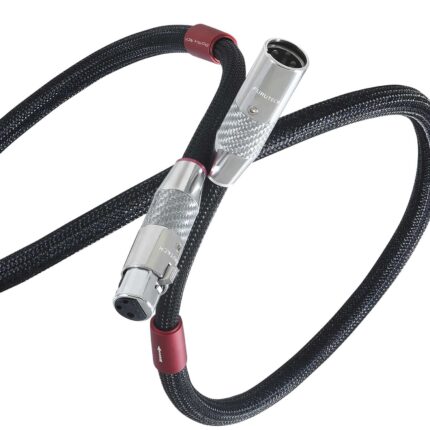
How to Choose Digital Cables
Digital cables should match the connection standard used by your equipment. Focus on the correct connector type, stable signal transfer, suitable length and clean routing between digital sources, DACs, AV components and displays.
Coaxial S/PDIF, optical, AES/EBU, USB and HDMI are different connection types. Always check the available outputs and inputs on your source, DAC, AV receiver or display before choosing a cable.
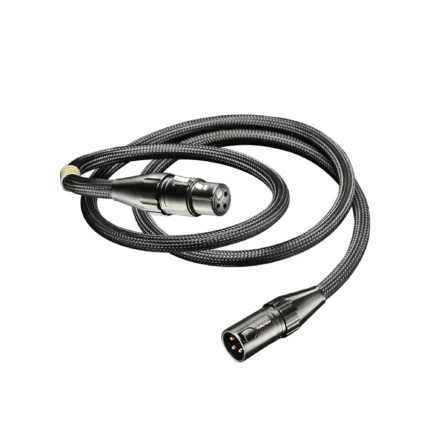
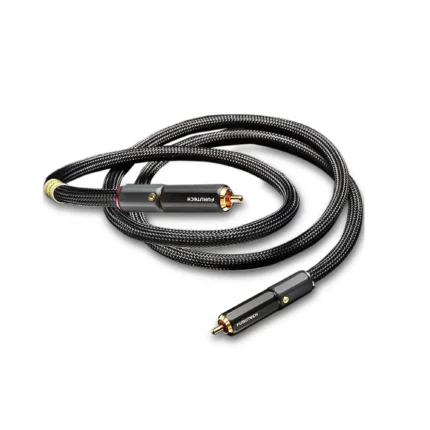
Coaxial S/PDIF is common between CD transports, streamers and DACs. Optical can help where electrical isolation is useful, while AES/EBU is usually found on more advanced digital audio equipment.
USB audio cables are often used between computers, streamers and DACs. Choose a cable with reliable connectors and practical length to maintain stable playback and easy system setup.
HDMI cables are important for home cinema, TV sound and AV receivers. If you use ARC or eARC, make sure the cable supports the required HDMI standard and bandwidth for your setup.
Use a length that allows clean routing without tight bends or stress on connectors. Longer digital cable runs should be chosen carefully, especially in more complex AV or multi-component systems.
Digital audio/video cables and Ethernet cables serve different roles. For streaming systems, combine suitable digital cables with dedicated Network Cables for a clean and stable setup.